

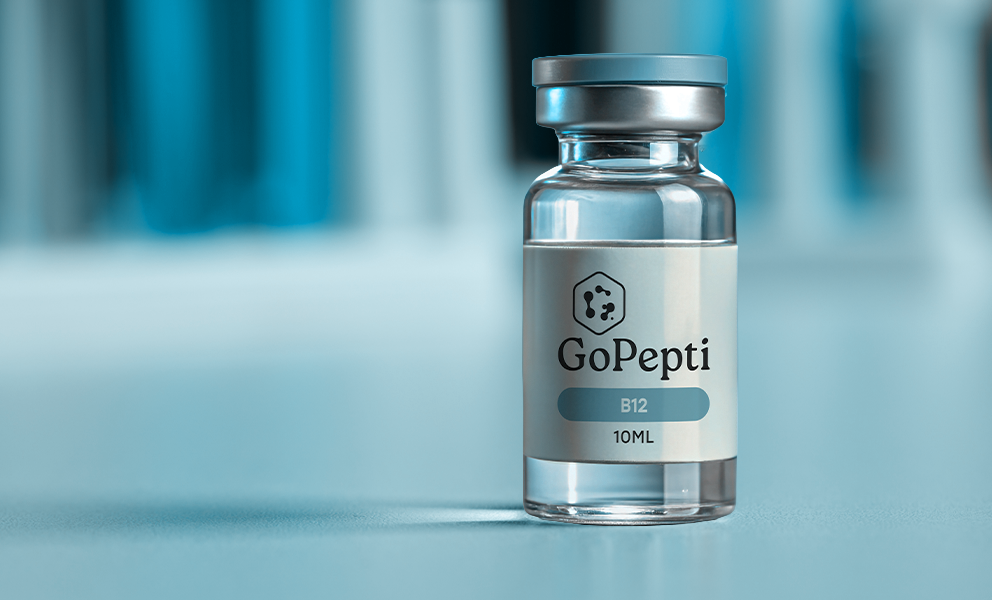
Lyophilized compounds are widely used in research due to their stability and extended shelf life. The freeze-drying process removes moisture, helping preserve structural integrity over time. However, proper storage and handling are essential to maintain compound quality. Exposure to heat, light, or moisture can impact stability, making it important to follow consistent handling practices throughout the storage and reconstitution process.
HOW SHOULD LYOPHILIZED COMPOUNDS BE STORED TO MAINTAIN STABILITY?
Proper storage plays a critical role in preserving the integrity of lyophilized materials. These compounds are typically stored in a cool, dry environment, often under refrigeration or controlled low-temperature conditions depending on the specific compound. Protection from direct light and humidity is important, as moisture exposure can compromise stability. Maintaining sealed containers and minimizing repeated temperature fluctuations can help ensure long-term consistency in research applications.
WHAT ARE THE KEY CONSIDERATIONS DURING RECONSTITUTION?
Reconstitution involves adding a suitable solvent to restore the lyophilized compound into solution form. This process should be performed using appropriate sterile techniques and compatible solvents, based on the compound’s requirements. Gentle handling is recommended to avoid structural degradation, and solutions should be prepared in controlled conditions to maintain purity. Once reconstituted, compounds are generally more sensitive and may require refrigeration and timely use to preserve effectiveness.